What it costs to file bankruptcy to stop foreclosure in Florida
By Sana Ferraro · Updated 2026-08-08
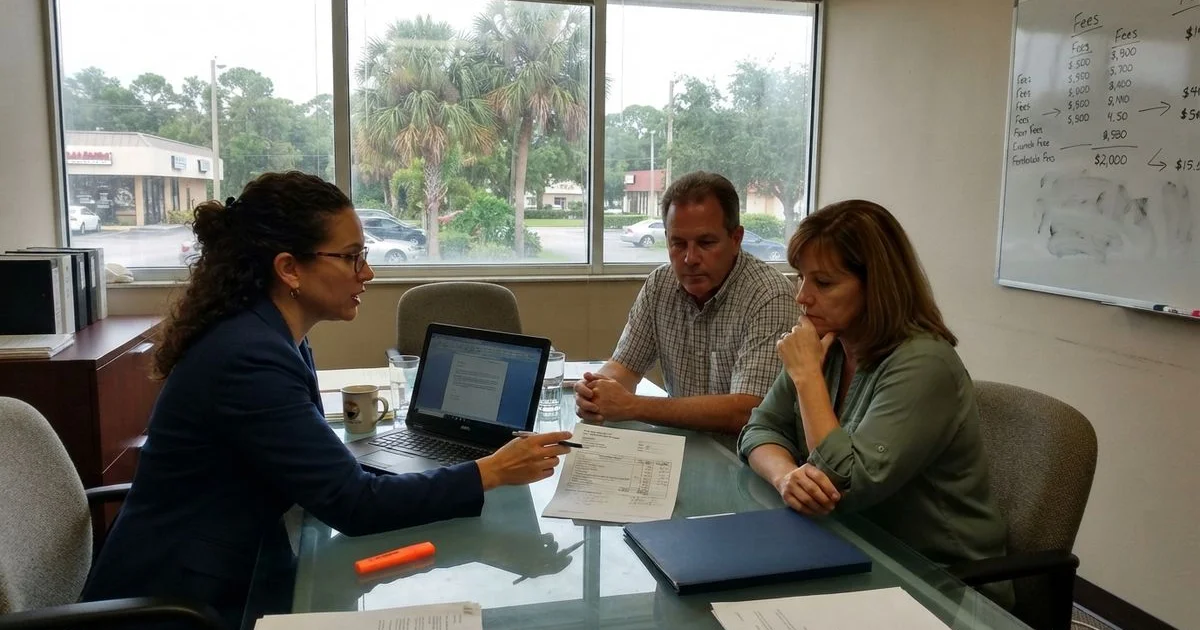
Bankruptcy isn’t just a last resort for people who’ve given up on their home. For some Polk County homeowners, it’s a deliberate tool to pause a foreclosure and buy time to reorganize finances. It comes with real costs, though, and knowing them upfront helps you decide if it’s the right move.
What drives the cost
- Chapter chosen. Chapter 13, which includes a repayment plan, generally costs more in attorney fees than Chapter 7 because it involves ongoing case management over several years.
- Filing status. Filing jointly with a spouse typically costs somewhat more than filing individually, though it covers both people under one case.
- Court filing fee. This is a fixed federal fee set by the U.S. Bankruptcy Court and applies regardless of your case’s complexity.
- Case complexity. Multiple properties, business interests, or contested creditor claims can add to attorney time and cost.
Typical cost ranges
| Cost component | Chapter 7 | Chapter 13 |
|---|---|---|
| Typical attorney fee range | Generally lower, case resolves faster | Generally higher, reflects multi-year plan management |
| Court filing fee | Set by federal court, differs slightly by chapter | Set by federal court, differs slightly by chapter |
| Ongoing costs | Usually none after filing | May include plan trustee fees over the repayment period |
| Typical case length | A few months | Three to five years |
A consultation with a local bankruptcy law attorney is the most reliable way to get a specific number based on your household size and case complexity.
Chapter 7 vs Chapter 13 for stopping foreclosure
Chapter 7 pauses a foreclosure through the automatic stay, but if you can’t catch up on past-due payments during that pause, the lender can eventually ask the court to lift the stay and resume the case. Chapter 13 is generally the stronger option if your goal is actually keeping the house, since it lets you fold missed payments into a court-approved repayment plan over several years. That’s also why Chapter 13 usually costs more: it requires ongoing legal oversight, not just a single filing.
The automatic stay, and its limits
The automatic stay takes effect the moment a bankruptcy case is filed, and it’s genuinely powerful: pending foreclosure sales, wage garnishments, and most collection calls stop immediately. But it isn’t unconditional. A lender can ask the court to lift the stay if you’re not making required payments during the case, and repeat filers can face a shortened or denied stay entirely. Understanding these limits before filing helps set realistic expectations for what the stay will and won’t fix on its own.
What happens after the case is filed
Once your case is open, the real work begins. In Chapter 13, that means keeping up with the court-approved repayment plan every month, on top of your regular mortgage payment going forward. Missing plan payments can put the case, and the automatic stay protecting your home, at risk. In Chapter 7, the case typically resolves faster, but you’ll need a separate plan for handling the mortgage once the stay lifts, since Chapter 7 alone doesn’t include a mechanism for catching up on missed payments.
Is it worth the cost
If your main goal is stopping a foreclosure sale that’s days away, the automatic stay alone can be worth the filing cost just for the breathing room it buys. If your goal is actually keeping the house long term, Chapter 13’s higher cost often pays for itself by preventing a lost home and the deficiency exposure that can follow a completed foreclosure. If you’re already planning to give up the property, bankruptcy may add cost without much benefit, and a straightforward sale might make more financial sense. If a case doesn’t clearly call for bankruptcy, it’s worth comparing costs against hiring a foreclosure defense attorney directly, since the two options solve different problems at different price points.
This guide covers typical cost patterns and is not legal or financial advice for your specific situation. Bankruptcy is a federal legal process with real consequences for your credit and assets, and a licensed bankruptcy attorney reviewing your full financial picture is the reliable way to know what applies to you. Our methodology explains how firms on this directory are scored.
Questions people ask
- Does filing bankruptcy actually stop a foreclosure?
- Filing triggers an automatic stay, a court order that immediately pauses most collection and foreclosure actions. It's often temporary relief rather than a permanent fix, especially with Chapter 7, so it's worth understanding what happens after the stay before filing.
- Is Chapter 7 or Chapter 13 cheaper?
- Chapter 7 typically has lower attorney fees upfront since the case moves faster, but it doesn't include a repayment plan for past-due mortgage payments. Chapter 13 usually costs more because it involves a multi-year repayment plan, but it can let you catch up on the mortgage over time instead of losing the home.
- Does the court filing fee change based on my case?
- The federal court filing fee is set by the U.S. Bankruptcy Court and doesn't vary by case complexity, though it can differ between Chapter 7 and Chapter 13. Attorney fees are what typically change based on your specific situation.
- Can I file bankruptcy without an attorney to save money?
- It's legally possible, but bankruptcy has strict procedural rules, and mistakes can result in your case being dismissed, sometimes losing the automatic stay protection right when you need it most. Most homeowners trying to save a house through Chapter 13 use an attorney for this reason.