Finding a Spanish-speaking foreclosure attorney in Polk County
By Sana Ferraro · Updated 2026-08-17
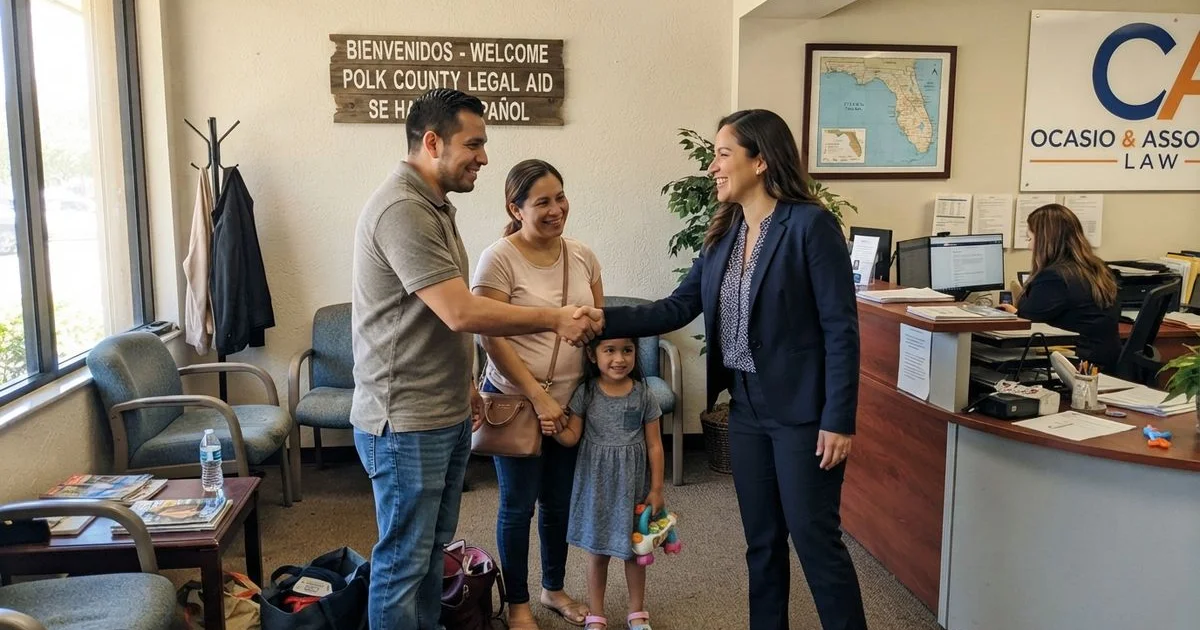
Facing a foreclosure is stressful enough without also fighting through a language barrier at every meeting and phone call. Polk County has a meaningful number of firms offering Spanish-speaking service, and knowing what to look for helps you find one that actually delivers on that.
Why this matters beyond convenience
Foreclosure cases involve specific deadlines, legal terms, and financial decisions where a misunderstanding can have real consequences, like missing a response deadline or misreading a settlement offer. Working with an attorney or firm that communicates clearly in your preferred language reduces the chance that something important gets lost between what was said and what was understood.
What to look for
- Who actually speaks Spanish. Ask specifically whether the attorney, not just front-desk staff, is fluent, since the attorney is the one interpreting your legal options.
- Whether documents are explained, not just translated. A quick translation of a legal term isn’t the same as someone walking you through what it actually means for your case.
- Consistency across the case. Confirm that Spanish-language support continues through the whole process, not just the initial consultation.
- Court interpreter coordination. If your case goes to a hearing, ask whether your attorney will coordinate a court interpreter or handle that themselves.
Questions worth asking upfront
| Question | What you’re checking for |
|---|---|
| “Will you personally explain my documents in Spanish?” | Confirms who does the actual communication |
| “Will Spanish-language support continue through the whole case?” | Confirms it’s not just for the first meeting |
| “How do hearings work if I need an interpreter?” | Confirms a plan exists for court appearances |
| “Can you walk me through this letter from my lender?” | A quick real-world test of their communication style |
What a strong first call sounds like
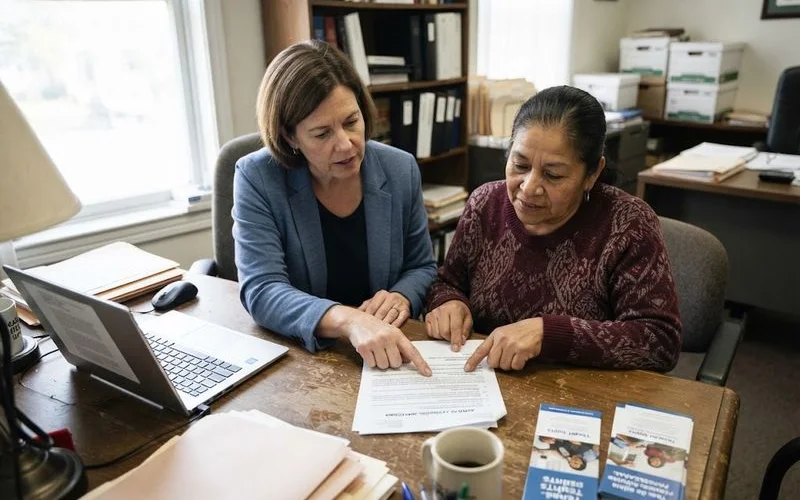
A good test is to ask the firm to explain, in Spanish, one specific term from your case, like what a notice of default means for your timeline. How they handle that request tells you a lot. A firm equipped for genuine bilingual service will answer clearly and completely, sometimes with the attorney taking the call directly. If the response feels rushed, gets handed off repeatedly, or relies heavily on a staff member reading from a script, that’s useful information before you commit to working with them through a months-long case.
Beyond the attorney’s office
If cost or availability is a barrier, HUD-approved housing counseling agencies often provide Spanish-language services as well, and can be a useful first stop even before you talk to an attorney. Community organizations serving Polk County’s Spanish-speaking residents may also have referral lists for bilingual legal help.
Why fluency alone isn’t the full picture
Legal Spanish and conversational Spanish aren’t quite the same thing, similar to how everyday English differs from courtroom English. Terms tied to Florida foreclosure procedure don’t always have a clean, commonly used Spanish equivalent, so a strong attorney or paralegal will often explain a concept rather than offer a literal one-to-one translation. That’s actually the better sign: someone translating word for word without checking whether it made sense is more likely to leave gaps than someone who slows down to confirm you understood the point.
Making the decision
A good fit here means more than someone who happens to speak Spanish. It means someone who makes you feel like you fully understand what’s happening in your case at every stage, not just the parts that get translated. If a first consultation leaves you with more questions than answers because something got lost along the way, that’s worth noticing before you commit to a retainer.
This is general information to help with your search and is not legal advice. Every foreclosure case is different, and a licensed Florida attorney reviewing your specific documents is the reliable way to understand your options, whichever language you’re most comfortable discussing it in. Our methodology explains how firms on this directory are ranked.
Questions people ask
- Does the attorney need to be Spanish-speaking, or is a translator enough?
- A translator can work for basic communication, but foreclosure involves precise legal terms where nuance matters. An attorney or key staff member who is genuinely fluent tends to reduce miscommunication risk more than relying on translation during time-sensitive conversations.
- Are court documents and hearings available in Spanish?
- Florida courts provide interpreter services for hearings when needed, but most written legal documents, including the foreclosure lawsuit itself, are in English. Having someone on your legal team who can walk you through those documents in Spanish is valuable for that reason.
- How do I confirm an attorney or firm actually offers Spanish-language service, not just a translated webpage?
- Ask directly during your first call: will meetings and documents be explained in Spanish, and by whom. A firm that's genuinely equipped for this will answer specifically, naming who handles Spanish-language communication.
- Should I bring a family member to translate if the firm doesn't offer Spanish service?
- It can help in a pinch, but for something as consequential as a foreclosure case, it's worth prioritizing a firm with genuine Spanish-language capability over relying on an informal translator for complex legal conversations.