Foreclosure help for veterans and military families in Polk County
By Sana Ferraro · Updated 2026-08-24
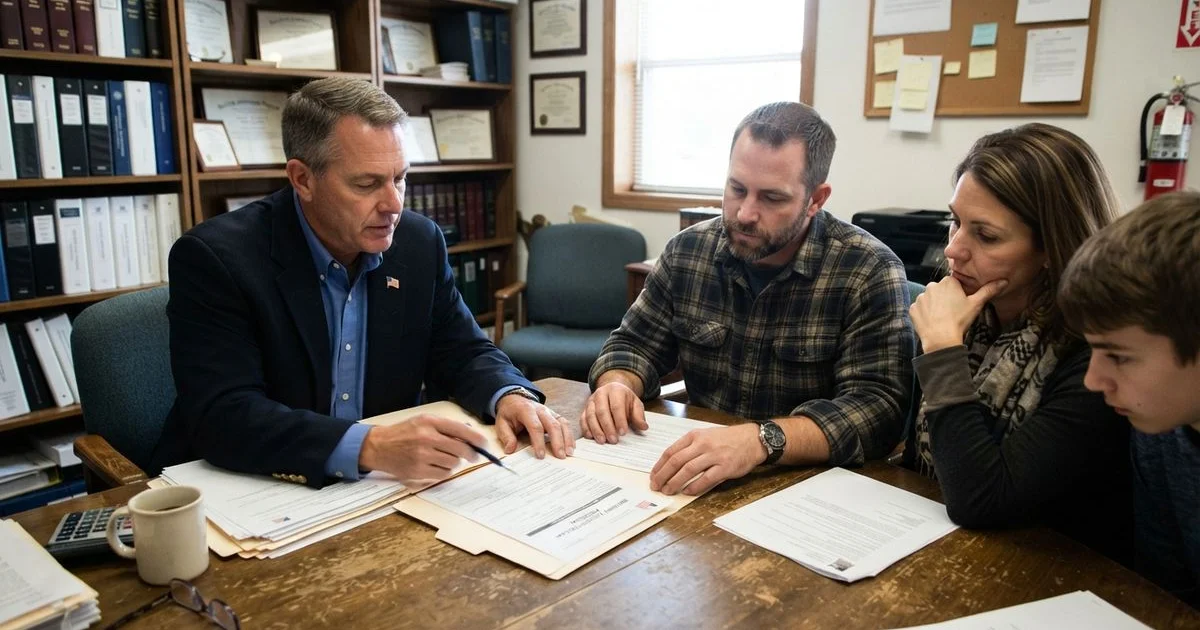
Military service brings unique financial pressures, deployments, frequent moves, income changes, and federal law recognizes that with specific protections for servicemembers and, in some cases, their families facing foreclosure.
Key protections to know
- The Servicemembers Civil Relief Act (SCRA). This federal law limits certain foreclosure actions against active-duty servicemembers and allows requests to cap interest rates on pre-service debts, among other protections.
- VA loan-specific servicing options. Veterans with VA-backed loans have access to specialized loss mitigation options through the VA, in addition to standard servicer programs.
- Deployment-related considerations. Court proceedings involving an active-duty servicemember can sometimes be delayed if deployment prevents proper participation in the case.
Resources specifically for veterans and military families
| Resource | What it offers |
|---|---|
| VA regional loan center | Guidance on VA loan servicing options and loss mitigation |
| Servicemembers Civil Relief Act protections | Legal limits on certain foreclosure actions during active duty |
| Military OneSource | Free financial counseling for active-duty families |
| Veteran service organizations | Local advocacy and referrals for financial hardship situations |
| HUD-approved housing counselors | Free counseling regardless of veteran status or loan type |
What to do if you’re an active-duty servicemember behind on payments
Contact your servicer and specifically identify yourself as active duty; this can trigger protections and options that aren’t automatically applied otherwise. If a foreclosure case has already been filed, an attorney can request SCRA-related protections if deployment or duty requirements are affecting your ability to respond.

What to do if you’re a veteran no longer on active duty
SCRA protections are mostly tied to active-duty status, so once you’ve separated from service, your situation is closer to a civilian homeowner’s, though VA-specific loan servicing support remains available if your mortgage is VA-backed. Reaching out to a VA regional loan center or a veteran service organization is a reasonable first step before or alongside talking to an attorney.
For families managing this during a deployment
If a servicemember is deployed, a spouse or family member with a valid power of attorney can often manage mortgage communications and legal matters on their behalf. Setting this up ahead of a deployment, when possible, prevents a lot of complications if a financial issue comes up while the servicemember is unavailable.
How SCRA protections actually get applied
These protections aren’t automatic just because someone is serving. In most cases, you or your attorney need to formally notify the lender or the court of active-duty status, sometimes with documentation, before a protection like an interest rate cap or a delay in proceedings takes effect. Waiting until a hearing is already scheduled to raise this can cost valuable time, so it is worth flagging active-duty status the moment a servicing issue comes up, not after a lawsuit has already progressed.
Working with a JAG office
Every branch has legal assistance offices that provide free consultations to servicemembers on personal legal matters, including mortgage and foreclosure questions. A JAG attorney typically cannot represent you in a civilian court case, but they can explain your SCRA rights, review paperwork, and refer you to civilian counsel if the situation escalates to litigation. This is often a useful, no-cost first stop before hiring a private attorney. For other no-cost or reduced-cost options open to any homeowner regardless of service status, see free and low-cost foreclosure help in Polk County.
Frequent moves and how they complicate a case
Permanent change of station orders can mean a servicemember or family is no longer physically in Polk County by the time a foreclosure situation develops, which adds another layer of complication to an already stressful process. Keeping a current mailing address on file with the servicer, and confirming that court notices and deadlines will actually reach you after a move, matters more for military families than for most homeowners. If a move happens while a case is active, notify both the servicer and, if you have one, your attorney immediately so nothing gets sent to an address you’ve already left.
This is general information about military-specific foreclosure protections and resources, and it is not legal advice. Eligibility and available protections depend on your specific service status and loan type, so a JAG office, VA representative, or civilian attorney familiar with military law can confirm what applies to you. Our methodology explains how firms on this directory are scored.
Questions people ask
- What is the Servicemembers Civil Relief Act and how does it help?
- The SCRA is a federal law that provides protections for active-duty servicemembers, including limits on foreclosure actions and the ability to request interest rate caps on pre-service debts. It applies during active duty and, for some protections, for a period afterward.
- Do these protections apply to veterans who are no longer on active duty?
- Most SCRA protections are tied to active-duty status, though some extend for a limited period after service ends. Veterans facing foreclosure after leaving active duty should still explore VA-specific resources and general foreclosure assistance programs, even if SCRA no longer directly applies.
- Does the VA offer help for veterans facing foreclosure on a non-VA loan?
- VA loan servicing support is specific to VA-backed loans, but veterans with other loan types can still access VA financial counseling services and general HUD-approved housing counseling regardless of loan type.
- Can a deployed servicemember's family act on their behalf?
- With a valid power of attorney, yes. This is worth setting up before deployment when possible, so a spouse or family member can manage mortgage and legal matters if something comes up while the servicemember is away.