Foreclosure after the loss of a spouse: options for surviving homeowners
By Sana Ferraro · Updated 2026-08-25
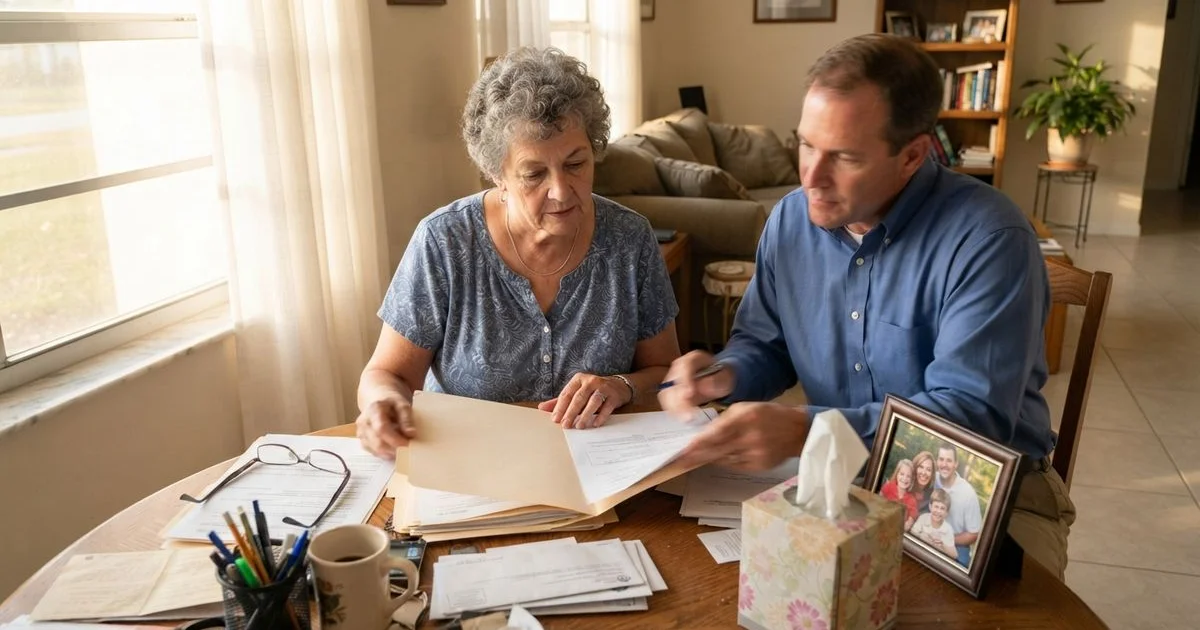
Losing a spouse changes everything at once, including, often, the household’s ability to keep up with a mortgage that was manageable on two incomes. This is a common and difficult situation, and there are real options worth knowing about.
First steps with the mortgage servicer
Contact the servicer as soon as you’re able to, and identify yourself as a surviving spouse or successor in interest. Federal servicing rules generally require servicers to work with successors in interest on options like assuming the loan, applying for a modification, or discussing a repayment plan, even before an estate is fully settled.
Options worth exploring
- Assuming the loan in your name. If you were not the sole borrower, many servicers allow a surviving spouse to take over the loan without needing to fully requalify under new underwriting standards.
- Loan modification. If the household income has dropped, a modification adjusting the payment to reflect your current situation may be available.
- Life insurance or mortgage protection policies. Check whether any policy exists that could pay off or reduce the mortgage balance.
- Selling the home. If keeping the house isn’t realistic on a single income, selling before any formal foreclosure process begins usually preserves more options and equity than waiting.
- Reaching out to a housing counselor. A free HUD-approved counselor can help sort through options during a time when reviewing paperwork alone feels overwhelming.
A practical order to work through this
| Step | Why it matters |
|---|---|
| Contact the servicer as successor in interest | Establishes your status and starts a conversation about options |
| Locate any life insurance or mortgage protection policy | May significantly change your financial picture |
| Get a clear sense of your current household income | Determines whether assuming the loan as-is is realistic |
| Talk to a housing counselor or attorney | Helps you weigh modification, assumption, or selling |
| Decide on a path within a reasonable timeframe | Avoids missed payments piling up while decisions are delayed |

If the mortgage was in your spouse’s name only
This situation is more complicated but not hopeless. Federal successor-in-interest rules still generally require the servicer to communicate with you and consider you for available options, even though you weren’t a borrower. You may need to provide documentation, such as a death certificate and proof of your relationship or inheritance rights, before the servicer will discuss the loan in detail. This process can feel bureaucratic at an already hard time, so many surviving spouses find it easier with a housing counselor or attorney helping track the required paperwork.
If probate is involved
If your spouse’s estate is going through probate, how the mortgage and property are handled can depend on how the home was titled and what the will, if there is one, specifies. This doesn’t necessarily change your ability to talk to the servicer about assuming the loan, but it can affect timing and who has legal authority to make certain decisions about the property in the meantime. An attorney handling the probate can usually explain how the two processes fit together for your specific situation.
Give yourself room, but don’t wait too long
It’s normal to need time before dealing with paperwork feels possible. At the same time, mortgage payments don’t pause automatically, so reaching out to the servicer early, even just to explain the situation and ask what flexibility exists, tends to prevent a difficult moment from becoming a formal default. You don’t have to have every decision made to make that first call, and asking for a short amount of time to gather documents and think things through is a reasonable request most servicers are used to hearing.
This is general information about surviving spouses and mortgage obligations, and it is not legal or financial advice. Every household’s situation, loan terms, and state of the estate are different, and an attorney or housing counselor can help you understand what applies to yours.
You can find local firms in the directory, and our methodology page explains how those listings are scored.
Questions people ask
- Am I responsible for the full mortgage if my spouse passes away?
- If you were a co-borrower on the loan, you're generally responsible for continuing payments, though your household income may have changed significantly. If you weren't on the loan but inherit the property, the debt follows the house rather than becoming your personal obligation beyond it.
- Can I take over the mortgage in my name only?
- Many servicers allow a surviving spouse to assume the loan or be added as the sole borrower, especially under federal rules protecting successors in interest. Contact the servicer directly and ask about this process.
- Does life insurance or a mortgage protection policy typically cover the remaining balance?
- It depends entirely on what policies existed. Check whether your spouse had mortgage protection insurance or a life insurance policy that could apply, since this varies a great deal by household and isn't automatic.
- Is there a grace period for mortgage payments after a death?
- There's no universal legal grace period, but many servicers show some flexibility for a short window while paperwork is sorted out. Contact them directly and explain the situation rather than assuming a delay is automatically acceptable.