Inheriting a house that's in foreclosure: what heirs need to know
By Sana Ferraro · Updated 2026-08-15
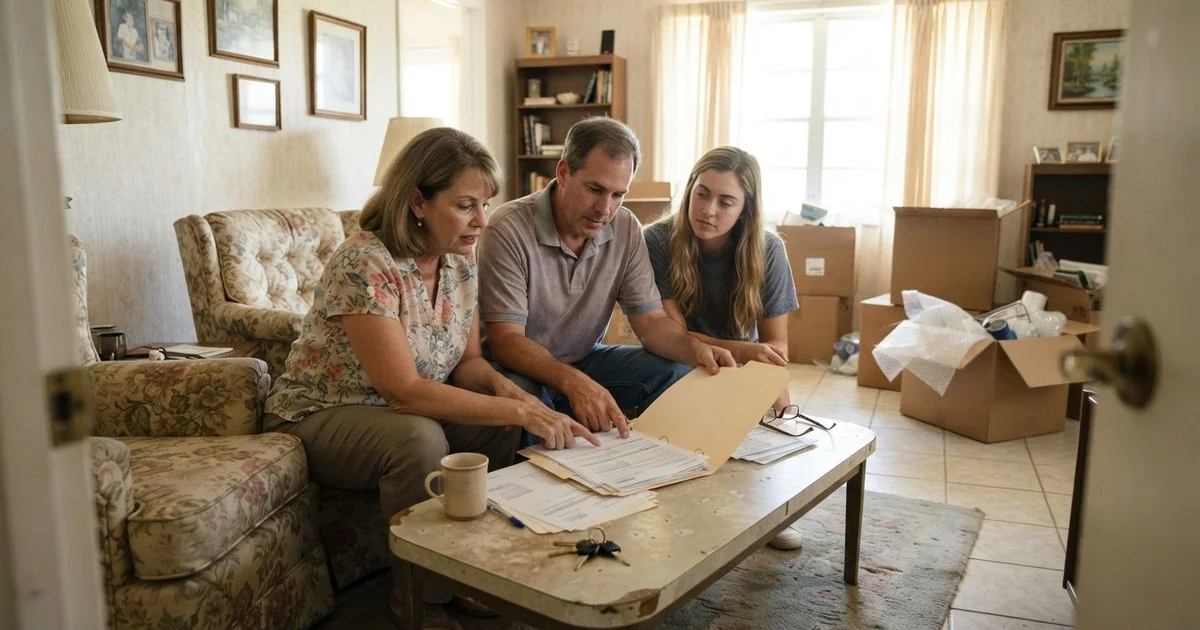
Losing a parent or family member is hard enough without also inheriting a mortgage that’s already behind. It happens more often than people expect, and the legal and practical steps are worth understanding before decisions get made under pressure.
What actually transfers to you
When someone passes away owning a home with a mortgage, the debt doesn’t disappear, but it also doesn’t become your personal responsibility just because you inherited the property. The mortgage stays attached to the house. If you keep the home, you generally take on the payments to keep it; if you don’t want it, you’re not personally on the hook for what’s owed beyond the property itself, unless you cosigned the original loan.
Steps to take
- Contact the mortgage servicer as a successor in interest. Federal servicing rules generally require servicers to work with heirs, even before probate is complete, to discuss options like continuing payments or applying for a modification.
- Understand where the estate stands in probate. How the property is titled and whether probate is open affects who has legal authority to make decisions about the home.
- Decide whether to keep, sell, or let it go. This is often as much an emotional decision as a financial one, and there’s no requirement to keep a property that doesn’t make sense to keep.
- Get the foreclosure case status in writing. If a case was already filed before the death, find out exactly where it stands and what deadlines are approaching.
- Talk to a real estate law or probate attorney early. Foreclosure and probate rules intersect in ways that aren’t always obvious, and early advice tends to prevent costly missteps.
Your options for the property
| Option | What it involves |
|---|---|
| Keep and continue payments | Contact servicer as successor in interest; may qualify for modification |
| Sell the property | Can pay off the mortgage and distribute remaining proceeds through the estate |
| Let the foreclosure proceed | An option if the debt exceeds the value and no one wants to keep it |
| Deed in lieu of foreclosure | In some cases, an alternative that avoids a full foreclosure sale |

If selling looks like the better option once you’ve weighed the debt against the home’s value, selling your house before a foreclosure sale in Florida walks through how that timeline works.
When multiple heirs are involved
Things get more complicated when a property passes to several siblings or family members who don’t all agree on what to do. One heir wanting to keep the house while another wants to sell is a common source of family tension during an already difficult time. If the estate is in probate, the personal representative usually has authority to make certain decisions, but major choices, like selling the property, may require agreement among the heirs or court approval. Getting this sorted out early, ideally with everyone talking directly rather than through assumptions, tends to prevent the kind of dispute that can stall a decision while foreclosure deadlines keep moving.
How property taxes and insurance fit in
Beyond the mortgage itself, an inherited home still needs property taxes and homeowners insurance kept current while decisions get made, and letting either lapse can create separate problems on top of the mortgage situation. Some homeowners insurance policies terminate or change coverage automatically after the owner’s death, so it’s worth confirming with the insurer directly rather than assuming coverage simply continues.
Why timing matters
A foreclosure case that was already in progress before the death doesn’t automatically pause, and missed deadlines can still affect the case even during a difficult personal time. If you’re an heir dealing with this, it’s worth reaching out to both the servicer and, if probate is open, the estate’s attorney as soon as possible to understand what’s actually happening with the case and what decisions need to be made and by when.
This is general information about inherited property and foreclosure, and it is not legal advice for your specific situation. Probate and foreclosure rules can interact in complex ways depending on how the property was titled and where the case stands, and a licensed attorney is the reliable source for guidance specific to your family’s circumstances. Our methodology explains how firms in the directory are scored.
Questions people ask
- Am I personally responsible for a deceased parent's mortgage debt?
- Generally no, you're not personally liable for the mortgage debt just by inheriting the property. The debt is tied to the home, not to you personally, unless you cosigned the loan. What you inherit is the property along with whatever debt is attached to it.
- Does a foreclosure case pause when the homeowner dies?
- It doesn't automatically stop, though the process for how the case proceeds often changes, especially if the estate is going through probate. An attorney familiar with both probate and foreclosure can explain how the two processes interact in your situation.
- Can I keep making payments to stop the foreclosure while sorting out the estate?
- Often yes, and many mortgage servicers allow a successor in interest, someone who inherited the property, to continue payments or apply for a loan modification, even before probate is finalized. Contact the servicer directly to establish your status.
- What if the house has more debt than it's worth?
- You're generally not required to keep an inherited property that's underwater. Heirs can choose to let the property go through foreclosure, sell it, or in some cases work out a deed in lieu arrangement with the lender, without taking on personal liability for the shortfall.