Selling your house before a foreclosure sale in Florida
By Sana Ferraro · Updated 2026-08-02
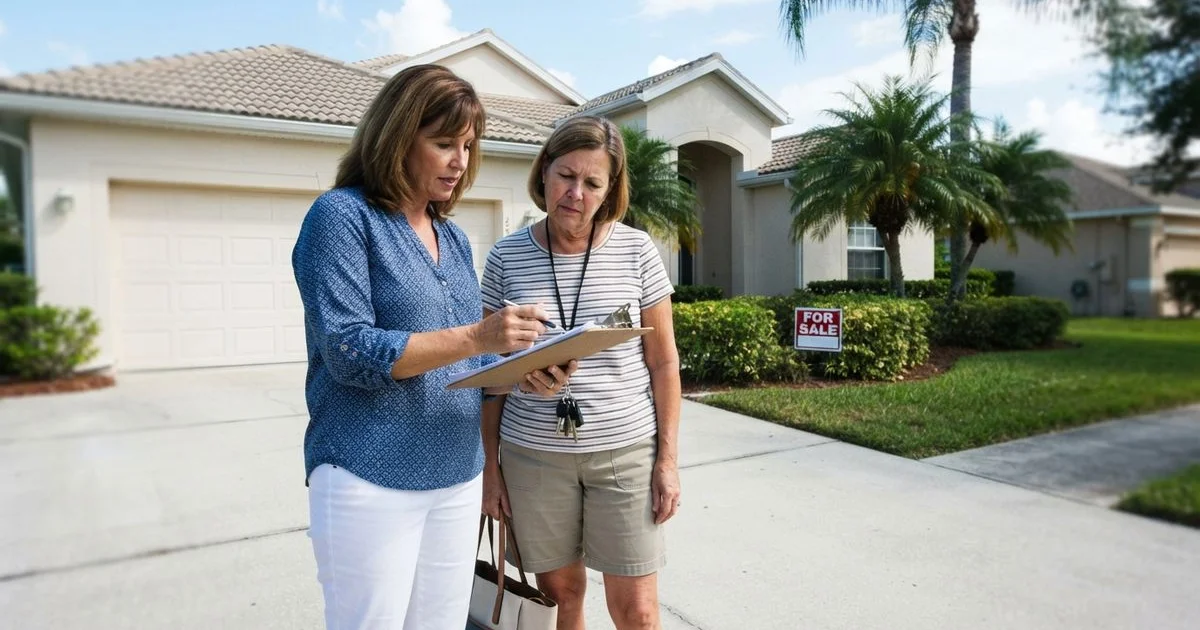
Not everyone facing foreclosure wants to keep the house. If your goal is to walk away with as little damage to your finances and credit as possible, selling before the property goes to auction is usually the better path, and it works best the earlier you start.
Why selling beats waiting for the auction
A foreclosure sale is a public auction, and the winning bid is often below market value. If you sell the home yourself first, through a traditional listing or a short sale, you generally have more control over the price, the timeline, and how the transaction is reported. It also avoids the foreclosure judgment showing up on your record in the way a completed foreclosure does.
Traditional sale vs short sale
| Traditional sale | Short sale | |
|---|---|---|
| When it applies | You owe less than the home is worth | You owe more than the home is worth |
| Lender approval needed | Not for the sale itself, just payoff | Yes, lender must approve accepting less than owed |
| Typical timeline | Similar to any home sale, weeks to a couple months | Often longer, since lender review adds time |
| Effect on remaining debt | Fully paid off at closing | Depends on the approval terms |
| Credit impact | Less severe than a completed foreclosure | Less severe than a completed foreclosure, but still notable |
Steps to take if you want to sell
- Talk to your servicer early. Let them know you intend to sell, especially if a short sale is likely, since approval can take weeks.
- Get a realistic value estimate. A local agent familiar with distressed sales can help set an honest asking price and timeline.
- Keep the court and your attorney informed if a case is active. If a lawsuit has been filed, your real estate law or foreclosure attorney should know a sale is in progress so it can be reflected with the court.
- Move quickly once a sale date is set. The window narrows fast in the weeks before a scheduled auction, so don’t wait until the last minute to list.
- Get any deficiency terms in writing. Before closing, confirm whether the lender is waiving the remaining balance or reserving the right to pursue it later.
What happens to the timeline
Selling doesn’t automatically pause a pending foreclosure case. If the sale closes and the loan is paid off before a scheduled auction, the case is typically dismissed. If a sale is still in progress close to the auction date, your attorney can sometimes request a delay, but this isn’t guaranteed, so time matters more than almost anything else in this decision.
What buyers and lenders need to know upfront
Being upfront that a sale is happening while a foreclosure case is active tends to go more smoothly than trying to keep it quiet. Real estate agents experienced with distressed sales know how to structure the listing and disclosures appropriately, and lenders are generally more cooperative with a homeowner who is proactively communicating than one who goes silent until a closing is already scheduled. If you’re working with a short sale, expect the lender to request financial documentation similar to a loan modification application before approving the reduced payoff.
When this route makes the most sense
Selling tends to be the right call when you’ve already decided keeping the home isn’t realistic, when the home has enough equity or a workable short sale value, or when you want to avoid a completed foreclosure on your record. If you’re still weighing whether to fight the case or leave, that’s worth a conversation with an attorney before committing to either path. And if you inherited the property rather than owned it before the foreclosure started, the considerations are a little different; see inheriting a house that’s in foreclosure for what heirs specifically need to know.
This is general information about selling a home during foreclosure in Florida and is not legal or financial advice for your specific situation. A real estate attorney or agent experienced in distressed sales can walk through what applies to your loan and timeline. Our methodology explains how firms on this directory are ranked, if that’s useful while you’re comparing who to call.
Questions people ask
- Can I sell my house after a foreclosure lawsuit has already been filed?
- Yes, in most cases you can sell up until shortly before the scheduled sale date, though the closer you get to that date, the tighter the timeline for closing becomes. Selling early in the process, ideally before a sale date is even set, gives you the most flexibility.
- What's the difference between a regular sale and a short sale?
- A regular sale works if you owe less than the home is worth and the proceeds cover the mortgage. A short sale is for when you owe more than the home's current value, and it requires the lender's approval to accept less than the full loan balance.
- Does selling stop the foreclosure automatically?
- Selling and paying off the loan in full resolves the debt and typically ends the case. A short sale requires lender approval before it stops anything, so timing and communication with the servicer matter.
- Will I still owe money after a short sale?
- It depends on the terms the lender agrees to. Some short sale approvals waive the remaining balance; others leave the door open for a deficiency judgment. Get this specified in writing before you agree to the sale.