You received a notice of default in Florida: what happens next
By Sana Ferraro · Updated 2026-07-18
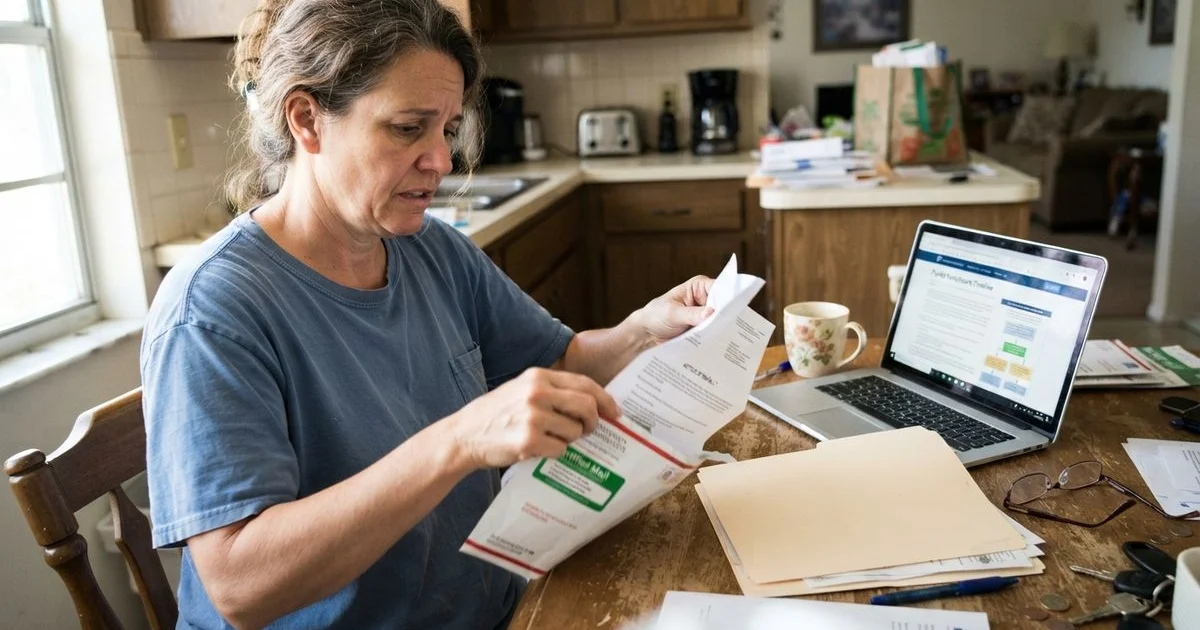
A notice of default is a letter, not a lawsuit. It is the moment a lot of homeowners panic, and understandably so, but it is also the point where you still have the most options. What you do in the first couple of weeks after it arrives matters more than almost any other point in the process.
What the notice actually means
The notice tells you that your loan servicer considers you in breach of the mortgage, usually after missing several payments, and that they intend to move toward foreclosure if the debt isn’t addressed. It is not the same as a lawsuit. A foreclosure defense case in Florida only formally begins once a complaint and summons are filed with the court, which typically comes weeks or months after the notice of default, not on the same day.
Read the letter closely for three things: the exact amount owed, the deadline the servicer gives you to cure the default, and the contact information for the loss mitigation department. That department, not the collections line, is usually who you need to reach.
Your options in the first two weeks
- Reinstate the loan. Pay the past-due amount, plus fees, in a lump sum. This is often the fastest path back to a normal payment schedule if you can afford it.
- Request loan modification review. Ask the servicer to evaluate you for a modified payment plan. This takes longer than reinstatement but doesn’t require a lump sum.
- Explore a repayment or forbearance plan. Spread the past-due amount across future payments instead of paying it all at once.
- Talk to an attorney about your defenses. If you dispute the amount owed, suspect an error in how the loan was serviced, or simply want someone reviewing the paperwork on your behalf, this is the point to start that conversation.
- Decide whether to sell. If keeping the home isn’t realistic, a traditional sale or short sale before things escalate further usually gives you more control than waiting.
A rough timeline
| Stage | Typical timing | What’s happening |
|---|---|---|
| Notice of default sent | Day 0 | Servicer documents the breach and starts internal clock |
| Reinstatement window | Weeks to a few months | You can often still cure the default by paying past-due amounts |
| Lawsuit filed (complaint and summons) | 1 to 3+ months after notice, if unresolved | The court case formally begins |
| Response deadline | 20 days after being served | You must file a response or risk default judgment |
| Judgment and sale | Months after that, if the case proceeds | Court schedules a sale if no resolution is reached |
Timelines vary by servicer and by how backed up the local court calendar is, so treat this as a general shape, not a guarantee for your case.

How the notice affects your credit
The notice of default itself is typically preceded by late payment reporting that already started around the 30-day mark, so by the time this letter arrives, your credit has likely already been affected by the missed payments. The notice doesn’t necessarily add a separate, distinct credit hit on its own, but it does signal that the servicer now considers the situation serious enough to formally document. Continuing to miss payments after this point will keep compounding the impact, which is one more reason the response window matters.
Mistakes to avoid
The most common mistake is doing nothing and hoping the letter is a bluff. It usually isn’t. The second most common mistake is calling the servicer once, getting a vague answer, and giving up. Loss mitigation departments field a high volume of calls, and getting a clear written commitment often takes persistence or a follow-up letter.
This is general information about the foreclosure process in Florida and is not legal advice for your specific situation. A licensed attorney or a HUD-approved housing counselor can review your notice and your loan documents and tell you what applies to your case. Our methodology page explains how we score the firms listed on the directory if you want to understand what’s behind the rankings before you call anyone.
Questions people ask
- How much time do I have after a notice of default in Florida?
- It varies by lender and how far behind you already were, but many homeowners have roughly one to three months before a lawsuit is filed, and the court process itself takes additional months after that. Do not treat the notice as an immediate deadline to move out; it is the start of a longer process, not the end of it.
- Does a notice of default mean I'm already being sued?
- No. The notice of default is the lender's warning that you are in breach of the loan, sent before a lawsuit. A foreclosure complaint and summons, if it comes, is a separate, later step that actually starts the court case.
- Can I still catch up on payments after getting this notice?
- Often yes, especially early on. Reinstating the loan by paying the past-due amount plus fees is usually possible until close to a sale date, and Florida's right of reinstatement gives homeowners a real window to do this. Ask your servicer for the exact reinstatement figure in writing.
- Should I contact the lender directly or get an attorney first?
- Either can work, but many homeowners in Polk County find it easier to negotiate with a lender's loss mitigation department once an attorney is involved, especially if paperwork has already gone missing once. If your situation is straightforward and you're comfortable managing calls and documents yourself, contacting the servicer directly is a reasonable first step.