How judicial foreclosure works in Florida and how long it takes
By Sana Ferraro · Updated 2026-07-21
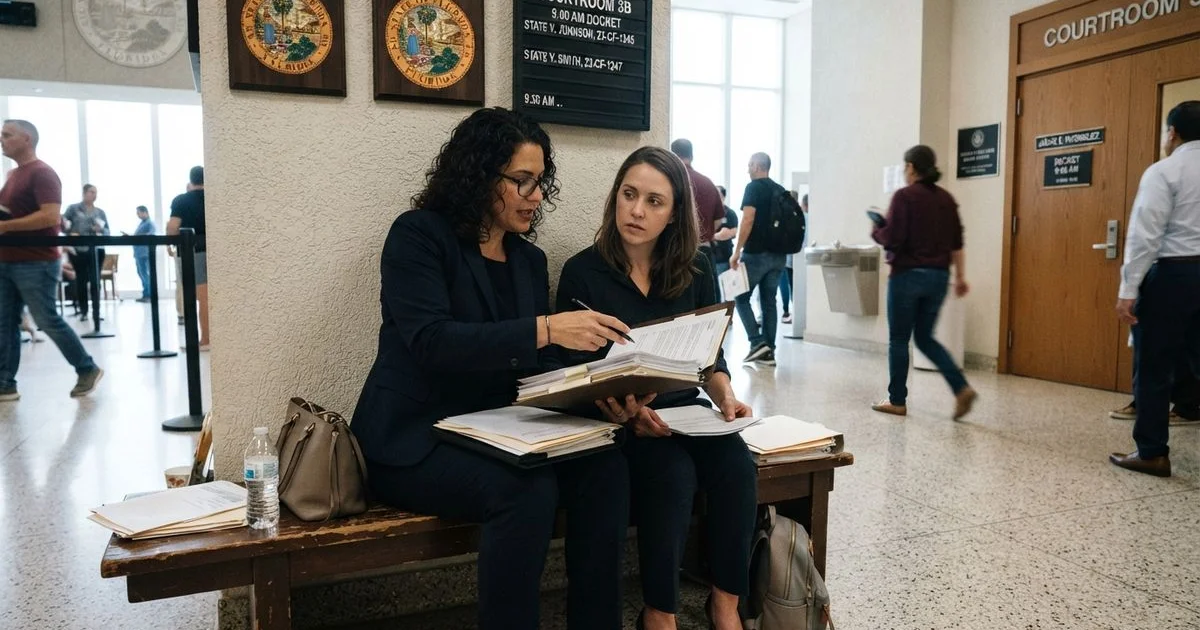
Florida is one of the states where a lender cannot simply sell your home. They have to sue you first, in front of a judge, and prove their case. That process, called judicial foreclosure, has a defined set of steps, and knowing what they are makes the whole thing feel less like a mystery and more like a schedule you can plan around.
The stages, in order
- Notice of default. The servicer notifies you that you’re behind and gives you a window to catch up before further action.
- Complaint and summons filed. The lender files a lawsuit in Polk County circuit court and has you formally served. This is the point the court case actually starts.
- Response deadline. You generally have 20 days from being served to file an answer with the court. Missing this deadline risks a default judgment against you.
- Discovery and motions. Both sides can request documents, challenge each other’s evidence, and file motions, for example arguing the lender lacks standing to foreclose.
- Mediation or settlement conference. Some cases go through a court-ordered or voluntary mediation session where the parties try to reach a resolution, such as a loan modification.
- Trial or summary judgment. If the case isn’t resolved, it proceeds to a hearing where a judge rules based on the evidence and arguments presented.
- Final judgment and sale. If the lender wins, the court schedules a foreclosure sale, and a certificate of title eventually transfers ownership once the sale is confirmed.
How long each stage takes
| Stage | Rough timeframe |
|---|---|
| Notice to lawsuit filed | 1 to 3+ months |
| Being served to response deadline | 20 days |
| Filing to first hearing | Several weeks to a few months |
| Contested case, filing to judgment | 6 months to over a year |
| Uncontested case, filing to judgment | As little as a few months |
| Judgment to scheduled sale | Typically 20 to 45 days |
These ranges reflect typical Florida judicial foreclosure patterns and shift based on the local court’s calendar, so treat them as a general guide rather than a promise, not a fixed schedule for your specific case.

Why contesting the case changes the timeline
A case where the homeowner responds, requests discovery, and raises defenses simply takes longer to resolve than one where nobody shows up. That extra time isn’t wasted; it’s often the window where a foreclosure defense attorney negotiates a loan modification, challenges paperwork errors, or works out a settlement that an uncontested case never gets the chance to reach. Homeowners weighing whether to respond at all should know that contesting the case, even without a guaranteed win, buys real time to explore alternatives.
What can slow a case down beyond the usual timeline
Court calendars in Polk County, like anywhere, can get backed up, pushing hearing dates further out than the typical ranges above. Cases also stretch when the lender’s own paperwork has gaps, which is more common than people expect, especially with loans that changed servicers or were bundled into investment pools. When that happens, resolving a standing dispute or missing documentation can add months to a case, time that sometimes works in the homeowner’s favor if it’s used to explore a modification or settlement rather than just waiting it out.
What to do at each stage
If you’re at the notice stage, focus on your options for reinstating or modifying the loan. If you’ve been served, your priority is filing a response before the 20-day deadline, even a basic one, to avoid a default judgment. If a hearing or trial date has been set, that’s the point to make sure any settlement discussions or defenses are fully prepared, since the court’s ruling at that stage is usually final for that phase of the case.
This is general information about how Florida’s judicial foreclosure process works and is not legal advice. Court procedures and deadlines can vary by circumstance, and a licensed attorney reviewing your case file is the only reliable way to know exactly where you stand. Our methodology page explains how firms on this directory are scored, if you want that context before reaching out to one.
Questions people ask
- Why does Florida require court foreclosure instead of a faster process?
- Florida is a judicial foreclosure state by law. A lender cannot sell your home without first winning a lawsuit in front of a judge, which is different from states that allow non-judicial foreclosure outside the court system. This gives homeowners more built-in opportunities to respond and contest the case.
- How long does a judicial foreclosure typically take in Polk County?
- It varies widely depending on whether the case is contested and how backed up the local court calendar is, but many uncontested cases resolve in several months, while contested cases can run a year or longer. Our foreclosure timeline estimator can give you a rough range based on your specific stage.
- What happens if I don't respond to the lawsuit at all?
- The lender can ask the court for a default judgment, which moves the case toward a sale date much faster since there is no dispute for the judge to resolve. Missing the response deadline is one of the costliest mistakes a homeowner can make in this process.
- Can a foreclosure case be dismissed?
- Yes, cases get dismissed for reasons ranging from procedural errors by the lender to a settlement being reached. A dismissal doesn't always mean the debt disappears, though; sometimes the lender can refile, so it's worth understanding why a case was dismissed before assuming it's fully resolved.