What to expect when you hire a foreclosure defense attorney
By Sana Ferraro · Updated 2026-07-24
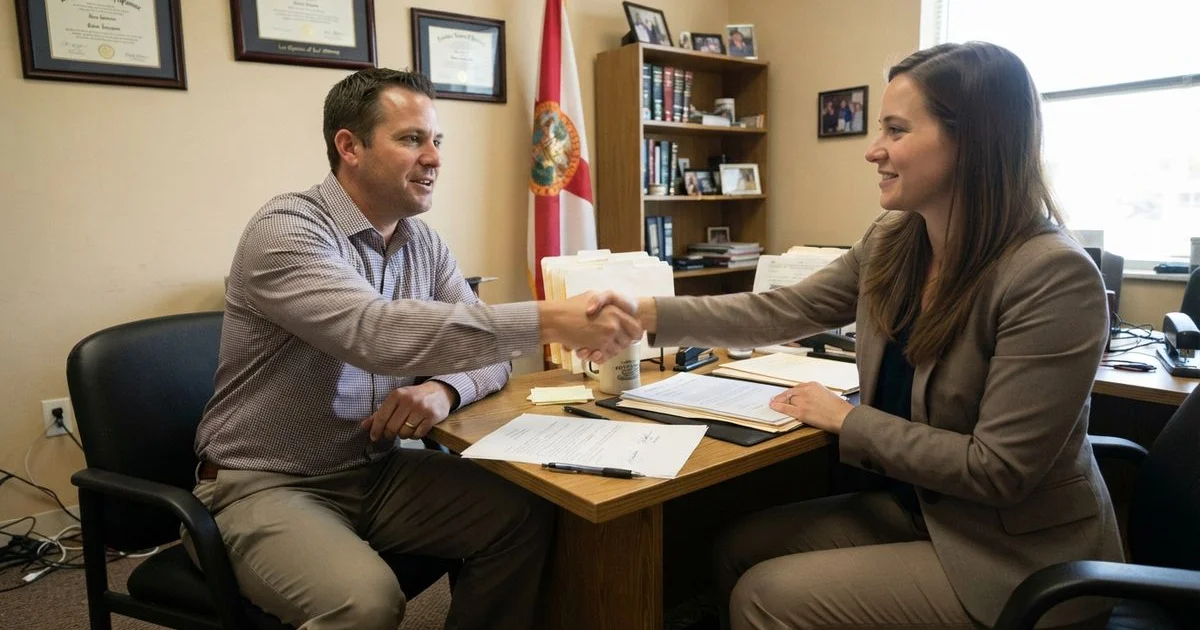
Hiring an attorney can feel like handing your problem to someone else and hoping for the best. It works better when you know roughly what should happen next, so you can tell early whether the relationship is working.
The first meeting
Most firms in Polk County start with a consultation, often free, to review your situation. Bring your loan documents and any letters you’ve received. A good first meeting should leave you with a rough sense of your options, an honest read on your timeline, and a clear fee quote in writing. Be wary if a firm won’t give you a straight answer on any of those three things.
The first two weeks
Once you sign a retainer, here’s what typically happens:
- The attorney contacts your loan servicer to confirm the case status and request documentation.
- If you’ve already been served with a lawsuit, they file a response before your deadline.
- They review your loan file for potential defenses, such as standing issues or documentation errors.
- They outline a strategy: fight the case, negotiate a modification, or work toward a settlement.
What ongoing representation looks like
| Phase | What your attorney is doing | What you should expect from them |
|---|---|---|
| Intake | Reviewing documents, confirming deadlines | A written summary of your case and options |
| Response filed | Formally contesting the lawsuit | Confirmation the filing was made and what it means |
| Discovery | Requesting records from the lender, building your case | Periodic updates, even brief ones |
| Negotiation | Talking to the lender about modification or settlement | Any offers relayed to you promptly, not sat on |
| Hearing prep | Preparing arguments or paperwork for a court date | Advance notice of any date requiring you to appear |
Red flags during the process
Reviews of firms across this market repeatedly mention a few recurring problems: attorneys who go quiet for weeks at a time, missed court dates, and cases where a retainer was paid but little visible work happened afterward. None of these are universal, most homeowners have decent experiences, but if you notice a pattern of unreturned calls or vague answers about your case status, it’s reasonable to ask directly what’s going on, and to look elsewhere if the answers don’t improve.

What it looks like when things are going well
It’s worth naming the positive pattern too, not just the warning signs. A well-run case usually has a rhythm: you hear something meaningful every few weeks even when there’s no major development, deadlines get handled before you have to ask about them, and any settlement offer or strategy shift gets explained to you in plain language before a decision is made. If your experience feels roughly like that, even with occasional quiet stretches, that’s generally a sign the case is being managed well rather than neglected.
What the end of a case typically looks like
Cases resolve in a few different ways: a negotiated loan modification, a settlement, a dismissal, or, less favorably, a judgment for the lender. Whichever way yours resolves, your attorney should walk you through what the outcome actually means in practical terms, including any next steps on your end, before the case is considered closed. Don’t assume a resolution is final without that conversation, especially if a modification includes an ongoing trial payment period that still needs to be completed successfully.
How to keep the relationship on track
Ask for a point of contact, whether that’s the attorney directly or a paralegal, and get a sense of how quickly they typically respond to calls or emails. Request that any settlement offers or major decisions come to you in writing before you’re asked to agree. And if a hearing or filing deadline is approaching, don’t assume no news is good news; a quick check-in a week ahead of any court date is a reasonable thing to ask for.
This guide describes a typical experience and isn’t a guarantee of how your case will unfold. Every foreclosure defense case is different, and outcomes depend on your specific loan documents, timeline, and the court handling your case. This is general information, not legal advice.
If you’re comparing firms, our methodology explains how rankings on this directory are built from review data, which can be a useful starting point before your first call.
Questions people ask
- What should I bring to the first meeting?
- Bring your loan documents, any letters from the servicer including the notice of default or lawsuit paperwork if you have been served, a recent mortgage statement, and a list of dates: when you last made a payment, when you received each notice, and any prior conversations with the lender.
- How soon after hiring an attorney will something actually happen?
- Most attorneys contact the lender or servicer within the first one to two weeks to confirm your case status and request a payoff or reinstatement figure. If you've already been served, filing a response to protect the deadline usually happens fast, sometimes within days.
- Will I need to go to court myself?
- Sometimes. Many hearings can be handled by your attorney alone, but mediation sessions and some hearings require the homeowner to attend in person or by phone. Ask your attorney early which dates need you there.
- How often will my attorney update me?
- This varies a lot by firm, and it's worth asking directly during your first meeting. Reviews of local firms show communication frequency is one of the biggest differences between a smooth experience and a frustrating one, so get a specific answer, not just 'we'll be in touch'.