Debt collectors calling during foreclosure: your rights in Florida
By Sana Ferraro · Updated 2026-08-13
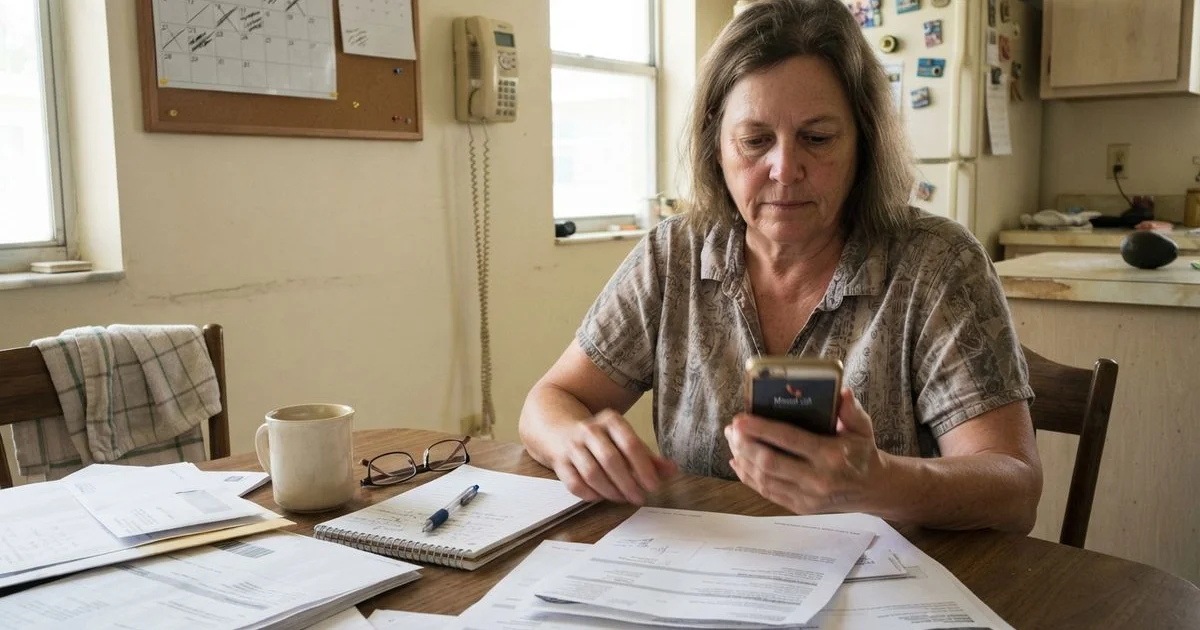
If you’re behind on the mortgage, the calls tend to start fast, and they don’t always stay polite. Federal and state law put real limits on what a debt collector can do, even while a foreclosure case is active.
What collectors are not allowed to do
- Call before 8am or after 9pm in your local time zone.
- Call repeatedly with the intent to annoy or harass.
- Use obscene, threatening, or abusive language.
- Misrepresent the amount you owe or falsely claim to be a government agency or attorney.
- Contact you at work if they’ve been told your employer doesn’t allow it.
- Keep contacting you directly after you’ve sent a written request to stop, in most circumstances.
What they are generally allowed to do
- Call to attempt to collect a legitimate debt during reasonable hours.
- Report the delinquency to credit bureaus.
- Refer the account to an attorney or pursue legal action, including through the foreclosure case itself.
- Contact you by mail even after a request to stop phone contact.
A quick reference
| Situation | Your right |
|---|---|
| Calls before 8am or after 9pm | Not allowed under federal collection rules |
| Repeated, harassing calls | Not allowed |
| Collector misrepresents the debt amount | Not allowed |
| You send a written stop-contact request | Collector must generally honor it for direct contact |
| Collector reports the debt to credit bureaus | Generally allowed |
| Collector pursues legal action through the courts | Generally allowed |
Keeping a record
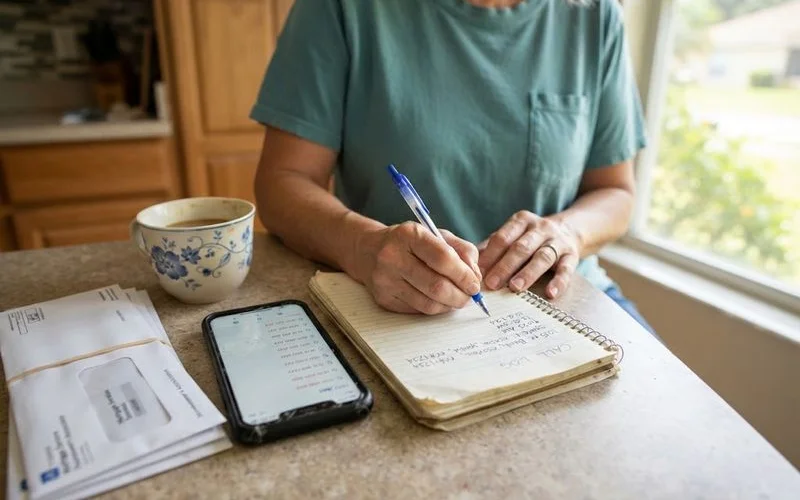
If calls feel excessive or improper, start writing down the date, time, and what was said each time it happens. This record matters if you decide to file a complaint or if it becomes relevant to your broader consumer protection case. Screenshots of text messages and saved voicemails help too.
How this connects to your foreclosure case
Debt collection harassment and a foreclosure lawsuit are often separate tracks, but they can intersect. If a collector’s conduct has been aggressive or improper, that pattern can sometimes support a broader legal claim, and an attorney handling your foreclosure defense may want to know about it. Keeping records early means you’re not trying to reconstruct a timeline months later if it becomes relevant. For a broader look at the legal protections and rights that come with a Florida foreclosure case, see Florida foreclosure laws and homeowner rights, explained.
Third-party collectors vs your original lender
The strongest protections against harassment generally apply to third-party debt collectors, companies hired specifically to collect on the debt, rather than your original mortgage servicer communicating about your own loan. That distinction matters because it affects which rules apply most directly. If you’re not sure whether you’re dealing with your servicer or a third-party collector, ask directly. It’s a reasonable question, and the answer affects what protections are strongest in your situation.
What not to do when a collector calls
It’s tempting to either ignore every call or get drawn into a long, heated conversation. Neither tends to help. A short, calm response, confirming you’ve received the notice and that you’re working on your options, without agreeing to pay anything on the spot, keeps you from making a commitment you haven’t had time to think through. If a call feels aggressive or crosses a line, it’s fine to end the call and follow up in writing instead.
Where to get help
If you believe your rights are being violated, you can file a complaint with the Consumer Financial Protection Bureau or the Florida Attorney General’s office. For situations involving a pattern of harassment or clear legal violations, a consumer protection attorney can advise on whether you have grounds for a claim.
This is general information about debt collection rules and is not legal advice for your specific situation. Collection laws have exceptions and nuances that depend on the type of debt and collector involved, so a licensed attorney is the reliable source for how these rules apply to you. Our methodology page explains how attorneys on this directory are scored.
Questions people ask
- Can debt collectors call me at any hour?
- No. Federal law restricts collection calls to reasonable hours, generally between 8am and 9pm in your time zone, and prohibits repeated calls intended to harass. If calls are coming outside that window or excessively, that's worth documenting.
- Can I tell a debt collector to stop contacting me?
- Yes, you can request in writing that a collector stop contacting you directly, though this doesn't erase the debt itself, and it doesn't necessarily stop the underlying foreclosure case if one is already filed. It mainly limits how the collector can reach you personally.
- Is my mortgage servicer the same as a debt collector?
- Not always, but some protections still apply either way. Servicers handling defaulted loans are often subject to similar rules around honest communication and prohibited practices, even if they're not technically classified the same as third-party collectors.
- What should I do if I think a collector is breaking the rules?
- Document the date, time, and content of the contact. You can file a complaint with the Consumer Financial Protection Bureau or the Florida Attorney General's office, and in some cases you may have grounds for a legal claim against the collector.