Florida foreclosure laws and homeowner rights, explained
By Sana Ferraro · Updated 2026-08-05
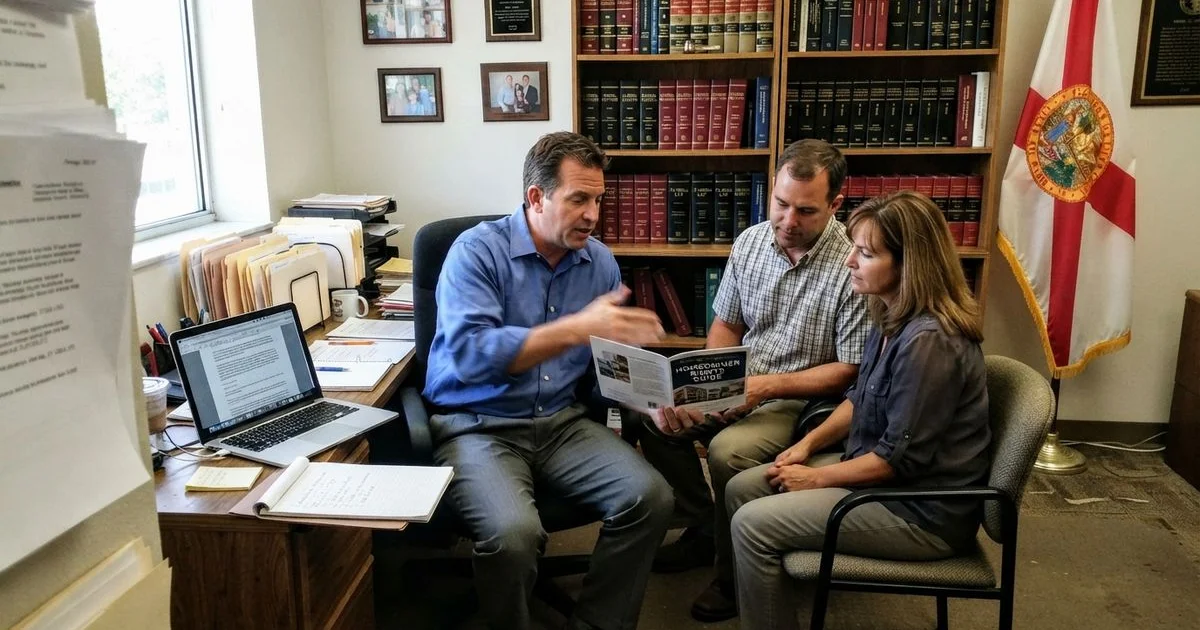
Florida law gives homeowners more built-in protection than people often realize, but only if you know the protections exist and use them before a deadline passes. Here’s a plain-English look at the rules that most often matter in a Polk County case.
The judicial process itself is a protection
Florida requires lenders to foreclose through the court system, not outside of it. That means a lender has to file a lawsuit, serve you properly, and prove their case to a judge before a sale can happen. This gives you the right to respond, request documentation, and raise defenses, rights that homeowners in some other states don’t automatically have.
Key rights and rules to know
- Right of reinstatement. You can generally stop the foreclosure by paying the full past-due balance, plus fees, up until close to the sale date.
- Right of redemption. In narrow circumstances, you can reclaim the property after a sale by paying the full judgment amount, though this window is short and rarely used.
- Statute of limitations. Lenders have a limited window to file or refile a foreclosure case after a default; waiting too long can be grounds to challenge the case.
- Notice and service requirements. You must be properly served with the lawsuit; improper service can be a real defense if it happened.
- Standing requirements. The party suing you must actually own or have authority over the loan. Cases involving mortgages that changed hands multiple times sometimes run into standing disputes.
How these rights typically come into play
| Right or rule | When it matters most |
|---|---|
| Reinstatement | Early in the process, before a sale date is set |
| Redemption | After a judgment, in the narrow window before the sale is finalized |
| Statute of limitations | When there was a long gap since a prior default or dismissed case |
| Proper service | If you were never formally notified of the lawsuit |
| Standing | If your loan was sold or transferred between lenders |
Deficiency judgments, in plain terms
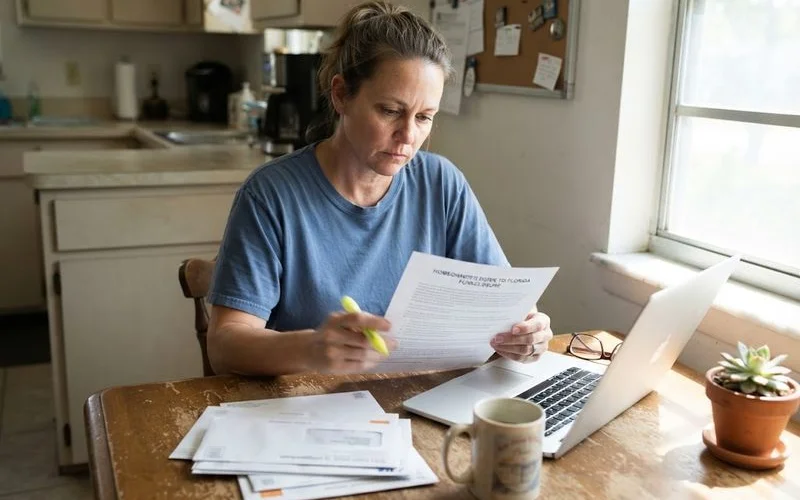
If your home sells at auction for less than what you owe, Florida law allows a lender to pursue you for the difference in some cases, known as a deficiency judgment. Whether this happens depends on the type of loan, how the case was resolved, and sometimes negotiation. This is worth asking about directly if a case reaches a sale, since it affects your finances well after the house itself is gone.
Mediation rights
Some Florida foreclosure cases include the option, or in certain courts a requirement, for mediation before the case proceeds to judgment. Mediation brings the homeowner and lender together with a neutral third party to discuss options like a loan modification or a structured settlement, outside of a courtroom setting. Not every case includes this step, and whether it’s offered can depend on the specific circuit court handling your case, so it’s worth asking directly whether mediation is available in yours.
Homestead protections and how they interact with foreclosure
Florida’s homestead exemption offers strong protection against many types of creditors, but it generally does not protect against foreclosure by the mortgage lender itself, since you agreed to that lien when you took out the loan. Where homestead protections can matter is in limiting other creditors from going after the home for unrelated debts, which is a separate question from the mortgage foreclosure itself. It’s a common point of confusion worth clearing up early.
Why this matters before you’re served
Understanding these rights before a lawsuit arrives means you’re less likely to miss a deadline or assume you have no options. If you’re already behind on payments, this is a good time to start researching a foreclosure defense attorney, even before anything formal has been filed against you.
This guide is general information about Florida foreclosure law and is not legal advice. Foreclosure rules change over time and can vary based on your specific loan and circumstances, so a licensed Florida attorney is the reliable source for how these rights apply to your case. Our directory lists local firms, and our methodology explains how we score them.
Questions people ask
- Does Florida law give homeowners a right to catch up on missed payments?
- Yes, this is called the right of reinstatement. It generally allows you to stop the foreclosure by paying the full past-due amount, plus fees, up until close to the sale date, though the exact cutoff depends on your case.
- Is there a deadline for the lender to file a foreclosure lawsuit?
- Florida has a statute of limitations that limits how long a lender can wait to file or refile a foreclosure case after a default. If a lender waits too long, that can be a real defense, which is one reason it's worth having an attorney review the timeline in your case.
- Can a lender collect more than my home sells for at auction?
- Sometimes. If the sale price doesn't cover the full loan balance, the lender may seek a deficiency judgment for the difference, depending on the loan type and how the case is resolved. This isn't automatic in every case.
- Do I have any right to buy my house back after a foreclosure sale?
- Florida's right of redemption allows a homeowner to reclaim the property by paying the full debt, but only within a narrow window and it's rarely used in practice because it typically requires paying the entire judgment amount. Ask an attorney whether this applies before assuming it's a realistic option.